Intro


Welcome to Music of Brazil! 

Looking Ahead


Brazilian music needs youthful blood supplanting the transcending figures of the 1960s who keep on creating top notch music. Be that as it may, there are a greater number of studios and free names than previously and provincial music is as solid as ever.

Chico, Milton and Elis


The 1960s saw the development of two stars that were not part of the tropicalismo wave: Chico Buarque and Milton Nascimento. Buarque is known for his magnificent quality verses and Nascimento has a thick stable that made him a standout amongst the best-known Brazilian performers abroad.


Elis Regina burst onto the scene in 1965 when she was just eighteen and sang a one of a kind mix of method and soul. In any case, she battled with medications and in the end kicked the bucket of an overdose in 1982.


MPB and the Military


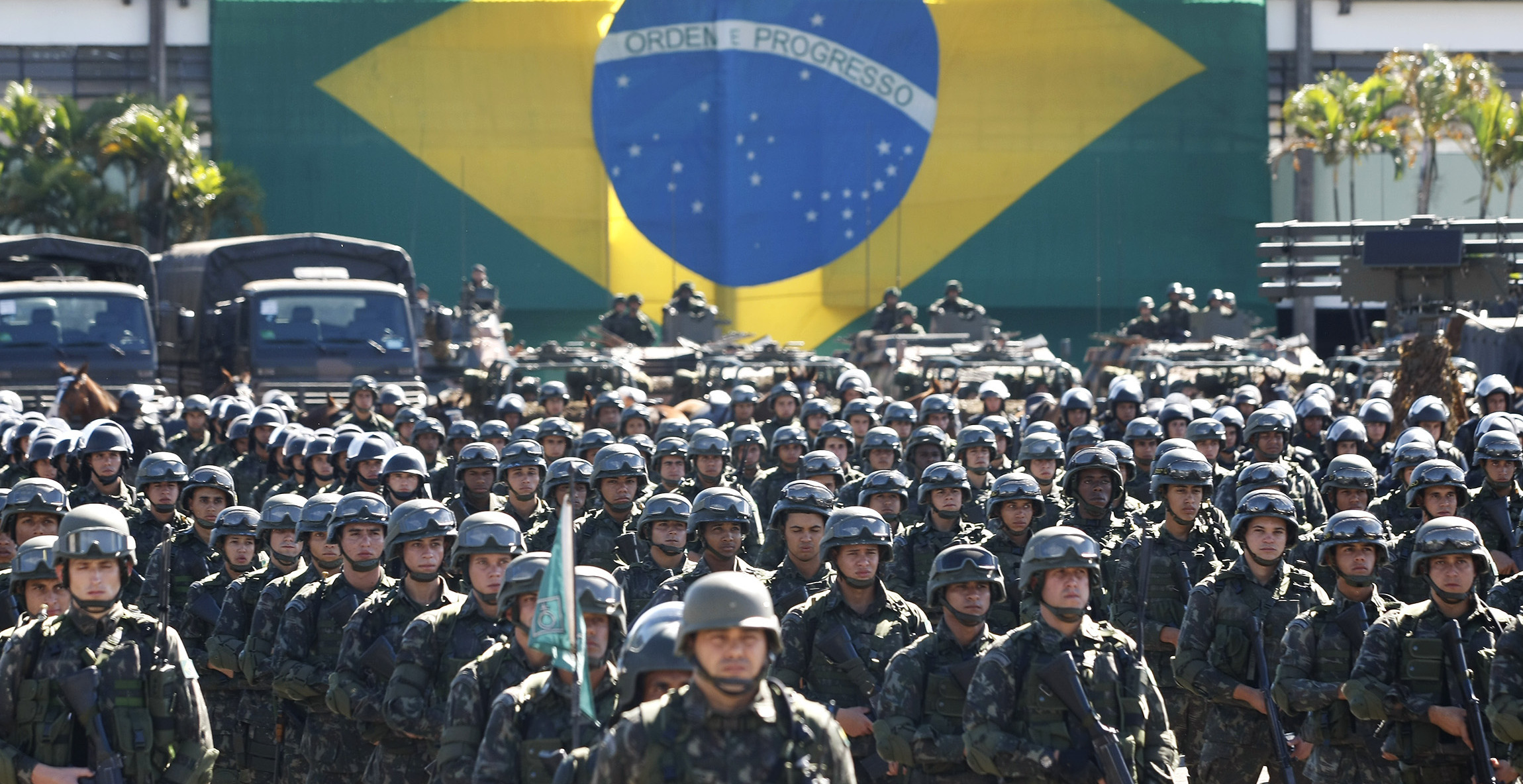
After the military coup of 1964, the new regime imposed censorship on music and persecuted musicians. Despite the military’s restrictions, tropicalismo emerged as a musical movement in the 1960s. The most notable musicians were Caetano Veloso and Gilberto Gil. The movement only lasted a couple of years, ending when Caetano and Gil were exiled. The censorship restrictions were relaxed in 1985.

Amazonia: Lambada and Boi


Eastern Amazonia is home of the dance style carimbó. By the mid-1970s, DJs started playing with carimbó rhythms, adding elements of merengue, salsa and reggae, producing lambada.

The most recent musical craze from northern Brazil is boi: a rhythmic, percussive style of music. In the 1990s, boi was transformed into a poppy, electrified dance music.